
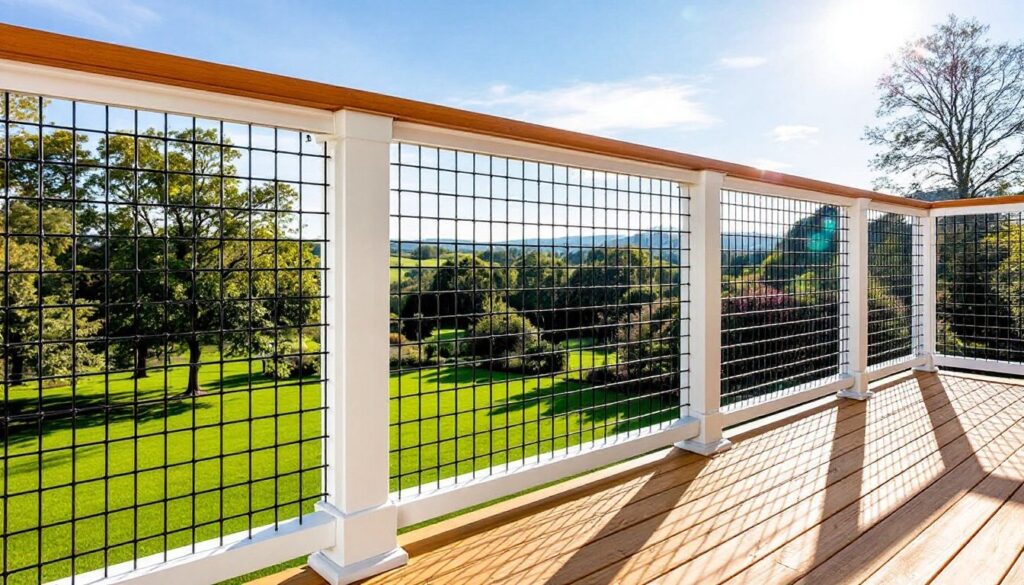
Hog wire railings have jumped from rural fencing to one of the most requested deck features in modern homes. The open-panel design offers unobstructed views, a sleek industrial look, and surprising versatility across design styles, from contemporary minimalism to weathered farmhouse charm. Unlike traditional picket or baluster railings, hog wire (also called cattle panel or livestock panel) creates a see-through barrier that doesn’t chop up sightlines. It’s also budget-friendly, DIY-accessible, and pairs well with nearly any frame material. Whether someone’s planning a complete deck overhaul or just replacing tired railings, hog wire offers dozens of creative directions worth exploring.
Table of Contents
ToggleKey Takeaways
- Hog wire deck railings provide unobstructed views and a sleek industrial aesthetic while meeting safety codes and costing $80–$150 per 10-foot section.
- Hog wire railing designs adapt across styles: pair black wire with white frames for modern farmhouse, use metal tubing for contemporary minimalism, or embrace rough-sawn wood for rustic appeal.
- Installation requires basic carpentry tools and skills, with most DIYers able to complete a section in hours by stretching wire between posts, stapling every 6–8 inches, and securing a cap rail.
- Two-tone wood stains, bold frame colors (navy, forest green), and powder-coated wire in white or bronze offer creative finishes that transform hog wire from utilitarian to custom-looking.
- Galvanized and powder-coated hog wire resists rust for years with minimal maintenance, making it ideal for exposed decks where preserving views of mountains, water, or gardens matters.
What Is Hog Wire Railing and Why It’s Perfect for Decks
Hog wire is welded wire fencing, typically galvanized steel, formed into rectangular or square grids. Panel dimensions vary, but the most common residential size is 4×4-inch mesh in sheets up to 16 feet long and 34 or 48 inches tall. Originally used to contain livestock, the material’s rigid grid and corrosion resistance make it ideal for deck railings.
The appeal comes down to three factors: visibility, cost, and code compliance. The wire spacing keeps views open while meeting International Residential Code (IRC) requirements that railings prevent a 4-inch sphere from passing through. Installation is straightforward, panels are tensioned within wood or metal frames, eliminating the repetitive cuts and fastening required for traditional balusters.
Hog wire pairs especially well with elevated decks where preserving mountain, water, or garden views matters. It also suits pet owners: the tight grid keeps small dogs contained without the visual weight of solid panels. Maintenance is minimal, galvanized wire resists rust for years, and powder-coated options add color longevity.
Modern Farmhouse Hog Wire Railing Designs
The modern farmhouse style leans on black hog wire set within white or light gray painted frames. This high-contrast pairing delivers clean lines without feeling sterile. Many DIYers use pressure-treated 2×4s for top and bottom rails, with 4×4 posts spaced no more than 6 feet on center to prevent sagging.
For a softer farmhouse look, consider cedar or redwood frames left natural or treated with a clear penetrating stain. The warm wood tones balance the industrial wire, especially when paired with wide plank decking in similar species. Adding a 2×6 cap rail on top of posts creates a drink ledge and finished appearance.
Some homeowners integrate decorative post caps, metal pyramid caps or wood ball finials, to tie the railing into porch columns or exterior trim. Another popular touch: running a horizontal wood slat at mid-height on the exterior side of the wire for added texture and to break up tall panels on two-story decks.
Paint finish matters. Satin or eggshell exterior paint hides imperfections better than gloss and weathers more gracefully. For black wire, powder-coated panels outlast spray paint and won’t chip as easily during installation.
Industrial and Contemporary Hog Wire Deck Styles
Contemporary designs favor metal frames, steel tube or aluminum, paired with galvanized or black powder-coated hog wire. Square tubing (1.5×1.5-inch or 2×2-inch) offers clean geometry and narrow sightlines. Welding is the cleanest attachment method, but bolt-together kits using pre-drilled tubing and corner brackets work for DIYers without welding equipment.
For an ultra-minimal look, some builders skip intermediate rails entirely, tensioning hog wire directly between slim steel posts. This requires high-tensile wire panels and careful spacing (posts closer than the standard 6 feet) to prevent bowing. The result is nearly invisible railing that emphasizes the deck surface and surrounding landscape.
Cable railing hybrids are another option: use hog wire for the lower 24 inches and stainless steel cable runs above. This combination maintains open views at eye level while keeping the wire grid low enough to prevent climbing by small children.
Blackened steel or matte black aluminum frames pair well with composite decking in gray or charcoal tones. For a warmer industrial vibe, consider raw steel frames that develop a rust patina over time, just ensure the wire itself is galvanized or stainless to avoid staining the deck below.
Rustic and Natural Wood Frame Hog Wire Ideas
Rustic styles embrace rough-sawn lumber, reclaimed barn wood, or chunky 6×6 posts for a more substantial presence. The wire becomes a backdrop, with the wood doing the design work. Leaving posts and rails unsealed allows them to silver naturally, though this accelerates in high-UV climates.
One effective rustic approach: use rough-cut cedar 2×6 rails with the bark edge left on the top cap rail for organic texture. Pair this with galvanized (not black) hog wire to maintain the natural, unpainted aesthetic. The silver-gray wire blends into weathered wood better than stark black.
Live-edge slabs work as cap rails on rustic decks, though they require careful sealing to prevent cracking. Mounting hog wire to the interior side of posts (rather than surface-mounted) creates shadow lines and depth, emphasizing the wood frame.
For a mountain cabin or lakeside cottage, consider mixing materials: stone or stacked-stone base panels up to 18 inches, topped with hog wire panels above. This grounds the deck visually and reduces wire exposure to ground splash and landscaping equipment.
Many woodworking project tutorials detail frame joinery options like mortise-and-tenon or half-lap joints for posts and rails, which add craftsmanship to rustic builds.
DIY Hog Wire Deck Railing: Materials, Costs, and Installation Tips
A typical 10-foot section of hog wire railing costs $80–$150 in materials for a wood-framed system, depending on lumber grade and wire quality. 16-foot hog wire panels run $40–$80 each at farm supply stores or home centers. Pressure-treated lumber for rails and posts adds another $3–$6 per linear foot.
Materials List (per 6-foot section):
- 1× 4×4 post (pressure-treated or cedar), 42 inches tall
- 2× 2×4 rails (top and bottom), 6 feet long
- 1× 2×6 cap rail, 6 feet
- Hog wire panel, cut to fit (approximately 34×70 inches)
- Galvanized fencing staples or ½-inch fence staples
- 3-inch exterior screws for frame assembly
- Post anchors or concrete for post mounting
Tools:
- Circular saw or miter saw
- Drill/driver
- Heavy-duty wire cutters or angle grinder
- Staple gun (manual or pneumatic)
- Level and speed square
- Safety gear: gloves (wire edges are sharp), safety glasses, hearing protection
Installation Steps:
- Mount posts to deck framing using galvanized post anchors or by notching over the rim joist. Posts must be plumb and spaced to match panel width (usually 6 feet on center).
- Attach bottom rail between posts, 3–4 inches above deck surface. Toe-screw or use joist hangers for clean connections.
- Stretch and cut hog wire to fit between posts. Wear leather gloves, cut wire ends are sharp. Leave ½ inch clearance on all sides.
- Staple wire to rails every 6–8 inches, starting at one end and working across to maintain tension. Pull tight to prevent sagging.
- Install top rail and cap, sandwiching the wire. The cap rail can overhang slightly for a finished ledge.
- Trim any protruding wire ends with diagonal cutters and file smooth.
For easier tensioning, some builders build hog wire railings by pre-assembling frames flat, stapling the wire, then standing and mounting the entire panel.
Permit note: Most jurisdictions require permits for deck railings, especially on elevated decks. Railing height (typically 36 or 42 inches depending on deck height) and guardrail load requirements (200 lbs horizontal force at the top rail per IRC) must be met. Check local codes before starting.
Creative Color and Finish Combinations for Hog Wire Railings
Color transforms hog wire from utilitarian to eye-catching. Black wire with white frames remains the most popular, but alternatives offer fresh direction.
Two-tone wood stains: Stain posts and cap rails dark walnut or espresso, with lighter honey oak or natural for the horizontal rails. The contrast draws the eye horizontally, making decks feel wider.
Bold frame colors: Navy blue, forest green, or charcoal gray frames with galvanized wire create sophisticated, less common palettes. These work especially well against brick or stone homes where stark black feels too harsh.
Wire color options: Powder-coated hog wire comes in white, bronze, or green. White wire against white frames creates an almost-invisible railing that maximizes views. Bronze wire complements cedar or redwood and feels warmer than black.
Clear-coated metal: Leaving steel frames raw with a clear sealant lets the metal develop subtle color shifts, from gunmetal gray to warm brown oxide, while protecting against deep rust. This pairs well with hot tub deck designs where the railing frames a focal feature.
Stain + paint combos: Stain all wood components except the cap rail, which gets painted to match trim color on the house. This ties the deck into the home’s exterior color scheme without overwhelming the natural wood tones.
Whatever finish is chosen, prime all cut lumber ends before assembly. End grain soaks up moisture and is the first place rot starts, especially on horizontal rails. Two coats of exterior primer on cuts add years to the railing’s lifespan.
Conclusion
Hog wire railings deliver modern aesthetics, code compliance, and real cost savings, all while keeping the focus on the view instead of the railing. Whether framed in crisp white pine, weathered reclaimed wood, or powder-coated steel, the wire panels adapt to nearly any design direction. With basic carpentry skills and attention to tensioning and fastening details, most DIYers can handle installation over a weekend. The result is a railing that looks custom without the custom price tag.


